


| Distributor | Stock | Pricing | MOQ | PKG | Lead Time | Date Code | On Order Quantity | On Order Delivery | |
|---|---|---|---|---|---|---|---|---|---|
|
204 pcs
|
204 pcs | On Request | 1 | On Request | On Request | On Request | On Request | On Request |
| Category | |
| Manufacturer Name | |
| Mounting Type | |
| Operating Temperature |
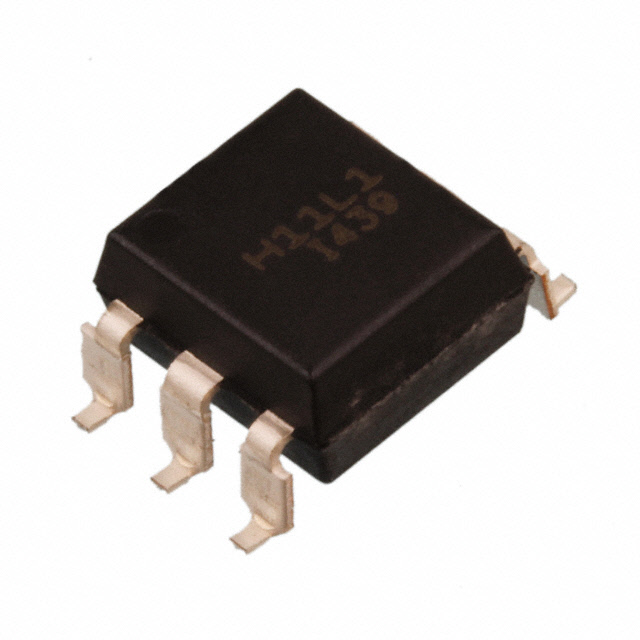
The Isocom Components SFH601-3 is a transistor, photovoltaic output optoisolator designed for reliable signal isolation. It offers a minimum isolation voltage of 5300 Vrms and a peak isolation voltage of 7500Vpk, ensuring robust performance in demanding applications.
Key electrical characteristics include a minimum current transfer ratio of 63% at 10mA and a maximum of 125% at 10mA. The typical forward voltage is 1.2V, with a maximum of 1.65V, and the maximum forward current is 60 mA. The device operates with a maximum collector-emitter voltage of 100V and a maximum collector-emitter saturation voltage of 400mV.
This optoisolator is housed in a 6-SMD, Gull Wing package, suitable for surface mounting. It operates within a temperature range of -55°C to 100°C. The typical rise and fall times are 3µs and 2µs respectively, with turn-on and turn-off times of 4.2µs and 23µs.
Compliance includes RoHS3 Compliant status and Moisture Sensitivity Level 1 (Unlimited). The SFH601-3 is suitable for applications requiring high isolation and reliable signal transfer.
| Qty | Low | High |
|---|---|---|
| 1+ | $0.33 | $0.33 |
Estimated market price range - modelled values for guidance only, not live distributor offers.
The SFH601-3 has a minimum isolation voltage of 5300 Vrms and a peak isolation voltage of 7500Vpk.
The current transfer ratio is 63% minimum and 125% maximum at a forward current of 10 mA, with an overall maximum CTR of 200%.
The operating temperature range is -55°C to 100°C.
The SFH601-3 is available in a 6-SMD gull wing package for surface mount mounting.
The maximum forward current is 60 mA.
Typical turn-on time is 4.2 µs, turn-off time is 23 µs, rise time is 3 µs, and fall time is 14 µs.
.webp)