
TJA1462ATK/0Z
NXP Semiconductors
The NXP Semiconductors TJA1462ATK/0Z is a high-speed CAN FD transceiver designed for reliable communication. It offers signal improvement capabilities and operates up to 8 Mbps.


| Distributor | Stock | Pricing | MOQ | PKG | Lead Time | Date Code | On Order Quantity | On Order Delivery | |
|---|---|---|---|---|---|---|---|---|---|
|
4,000 pcs
|
4000 pcs | On Request | 1 | On Request | On Request | On Request | On Request | 2026-02-16 21:33:16 | |
|
3 pcs
|
3 pcs | On Request | 1 | On Request | On Request | On Request | On Request | On Request |
| Category | |
| Manufacturer Name | |
| Data Rate | |
| Duplex | |
| Mounting Type | |
| Number of Drivers | |
| Operating Temperature | |
| Protocol | |
| Receiver Hysteresis | |
| Supplier Device Package | |
| Type | |
| Voltage |
The TJA1462BTK/0Z from NXP Semiconductors is a CAN FD signal improvement transceiver designed for reliable communication in Controller Area Networks. It interfaces between a CAN protocol controller and the physical two-wire CAN bus, adhering to ISO 11898-2:2016 and SAE J2284 standards. This transceiver features CAN Signal Improvement Capability (SIC) to reduce signal ringing, enabling larger topologies and higher data rates up to 8 Mbit/s. It offers pin compatibility with other NXP transceivers, facilitating easy integration into existing hardware and software designs.
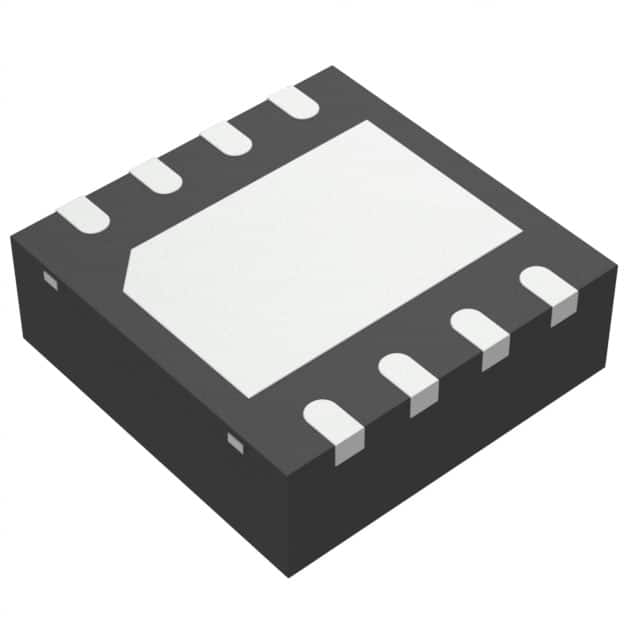
The TJA1462BTK/0Z operates within a voltage range of 4.5V to 5.5V and can withstand junction temperatures from -40°C to 150°C. It is available in an 8-HVSON (3x3 mm) package, suitable for surface mount applications. The transceiver supports Normal and Standby modes and is designed for predictable and fail-safe behavior, including undervoltage detection. It is compliant with RoHS3 standards.
| Qty | Low | High |
|---|---|---|
| 1+ | $1.44 | $1.44 |
Estimated market price range - modelled values for guidance only, not live distributor offers.
The operating voltage for the TJA1462BTK/0Z is between 4.5V and 5.5V.
The TJA1462BTK/0Z operates at junction temperatures from -40°C to 150°C.
The TJA1462BTK/0Z is supplied in an 8-HVSON (3x3 mm) package and an 8-VDFN Exposed Pad package.
The TJA1462BTK/0Z supports a data rate of 8Mbps.
The TJA1462BTK/0Z transceiver supports the CANbus protocol.