

| Distributor | Stock | Pricing | MOQ | PKG | Lead Time | Date Code | On Order Quantity | On Order Delivery | |
|---|---|---|---|---|---|---|---|---|---|
|
3,000 pcs
|
3000 pcs | On Request | 1 | On Request | On Request | 20+ | On Request | On Request |
| Category | |
| Manufacturer Name | |
| Accuracy | |
| Current | |
| Features | |
| Function | |
| Mounting Type | |
| Operating Temperature | |
| Supplier Device Package | |
| Voltage |
The Texas Instruments TPS259823LNRGER is a smart eFuse designed for power protection and hot-swap applications. It features an input voltage range of 2.7V to 24V and can handle a continuous current of up to 15A.
Key electrical specifications include a low on-resistance of 2.7 mΩ (typical) and adjustable features such as current limit, soft start, and transient fault management. The device provides accurate current monitoring with ±1.5% accuracy and includes overcurrent, overvoltage, and short-circuit protection. Its fault response can be configured for auto-retry or latch-off modes.
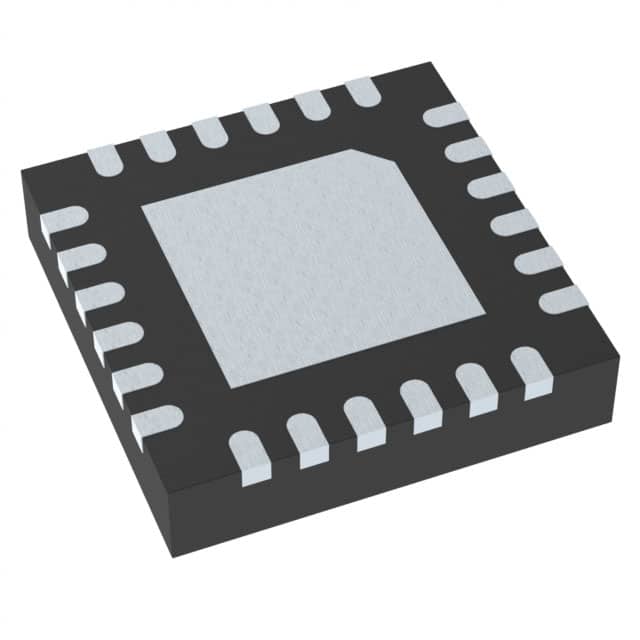
This eFuse is housed in a 24-VQFN (4x4) package and is designed for surface mounting. The operating temperature range is -40°C to 125°C (TJ), making it suitable for various industrial environments. It also offers features like a power good signal and thermal shutdown for enhanced system reliability.
| Qty | Low | High |
|---|---|---|
| 1+ | $1.67 | $1.67 |
Estimated market price range - modelled values for guidance only, not live distributor offers.
The input voltage range is 2.7V to 24V.
The maximum continuous current rating is 15A.
The typical on-resistance is 2.7 mΩ.
The operating temperature range is -40°C to 125°C.
It is in a 24-VQFN (4x4) package with an exposed pad, designed for surface mounting.
The current monitoring is accurate to ±1.5%.
Features include adjustable current limit, adjustable soft start, current monitoring, fault output, overcurrent protection, overvoltage protection, power good signal, short-circuit protection, thermal shutdown, and adjustable UVLO. Fault response options are auto-retry or latch-off.