

| Distributor | Stock | Pricing | MOQ | PKG | Lead Time | Date Code | On Order Quantity | On Order Delivery | |
|---|---|---|---|---|---|---|---|---|---|
|
230 pcs
|
230 pcs | On Request | 1 | On Request | On Request | On Request | On Request | On Request | |
|
226 pcs
|
226 pcs | On Request | 1 | On Request | On Request | On Request | On Request | On Request | |
|
40 pcs
|
40 pcs | On Request | 1 | On Request | On Request | 18+22+ | On Request | On Request |
| Category | |
| Manufacturer Name | |
| Applications | |
| Current | |
| Features | |
| Internal Switch(s) | |
| Lead Style | |
| Mounting Type | |
| Number of Channels | |
| Operating Temperature | |
| Programmable Features | |
| Quiescent Current | |
| Supplier Device Package | |
| Type | |
| Voltage |
The Texas Instruments TPS2420RSAT is an integrated hot swap controller designed for robust power protection. It supports an input voltage range of 3V to 20V and features an adjustable current limit up to 5A with a typical on-resistance of 30mΩ. This device is suitable for general-purpose applications requiring reliable power management.
Key features include programmable fault current, programmable hard current-limit, and a programmable fault timer. The TPS2420RSAT offers internal MOSFET power limiting, foldback, and supports both latching and auto-retry fault responses. It also provides an analog current monitor output and a power good output signal.
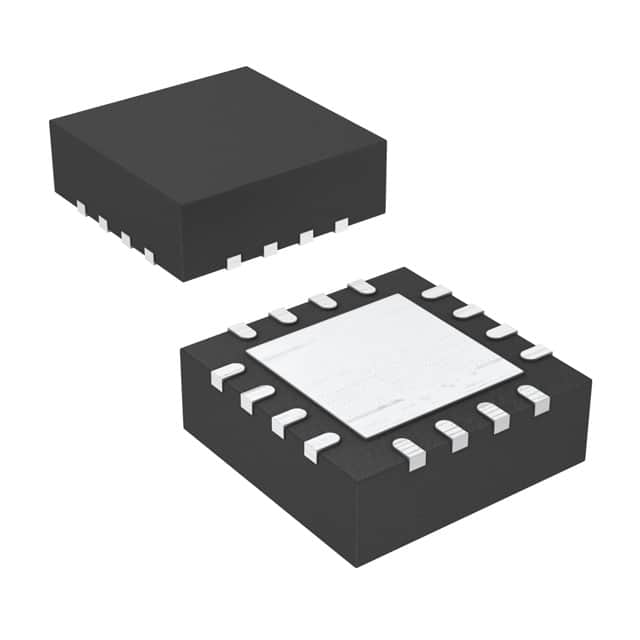
The controller is housed in a 16-QFN (4x4) package and is designed for surface mount installation. It operates within a temperature range of -40°C to 125°C, making it suitable for various environmental conditions. The device includes features like thermal limit and undervoltage lockout (UVLO) for enhanced system protection.
| Qty | Low | High |
|---|---|---|
| 1+ | $1.45 | $1.45 |
Estimated market price range - modelled values for guidance only, not live distributor offers.
3V to 20V.
16-QFN (4x4) and 16-VQFN Exposed Pad.
-40°C to 125°C.
5A.
30mΩ.
3.9mA typical, 5mA maximum.
Auto retry, circuit breaker, current limit, fault timeout, and latched fault.