TL431ACDBZR
Texas Instruments
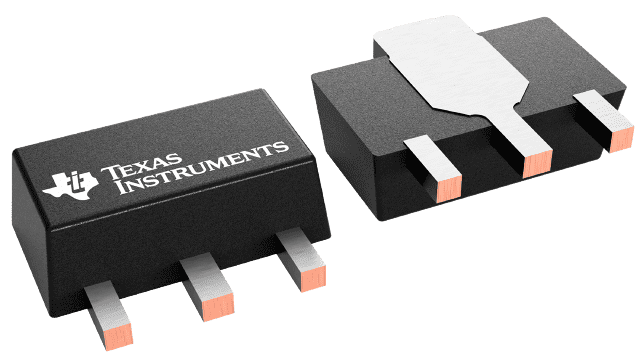
The Texas Instruments TL431ACDBZR is an adjustable precision shunt voltage reference. It offers a wide output voltage range and tight tolerance for various applications.


| Distributor | Stock | Pricing | MOQ | PKG | Lead Time | Date Code | On Order Quantity | On Order Delivery | |
|---|---|---|---|---|---|---|---|---|---|
|
200,000 pcs
|
200000 pcs | On Request | 1 | On Request | On Request | On Request | On Request | On Request | |
|
4,000 pcs
|
4000 pcs | On Request | 1 | On Request | On Request | 24+ | On Request | On Request | |
|
1,000 pcs
|
1000 pcs | On Request | 1 | On Request | On Request | On Request | On Request | On Request | |
|
951 pcs
|
951 pcs | On Request | 1 | On Request | On Request | 21+ | On Request | On Request |
| Category | |
| Manufacturer Name | |
| Operating Temperature | |
| Output Current | |
| Temperature Coefficient |
The TL431AQPK is an adjustable precision shunt regulator manufactured by Texas Instruments. This component provides a stable and adjustable output voltage ranging from 2.495V up to 36V.
Key electrical characteristics include an initial accuracy of up to 0.5% at 25°C and a temperature coefficient of 92 ppm/°C. It operates over a wide temperature range of -40°C to 125°C, making it suitable for various environmental conditions. The device supports a sink current capability from 1mA to 100mA.
Available in multiple package options such as SOT-23, SOIC, and PDIP, the TL431AQPK is designed for flexibility in circuit board layout. Its low output noise and typical output impedance of 0.2Ω contribute to stable performance in power supply and voltage regulation applications.
This shunt regulator is commonly used in applications requiring precise voltage references, including switched-mode power supplies, voltage regulators, and battery chargers.
| Qty | Low | High |
|---|---|---|
| 1+ | $0.08 | $0.08 |
Estimated market price range - modelled values for guidance only, not live distributor offers.
The output voltage can be adjusted from 2.495V to 36V.
The initial accuracy at 25°C is available in 0.5%, 1%, and 2% options.
The operating temperature range is -40°C to 125°C.
The maximum sink current capability is 100mA.
The typical output impedance is 0.2Ω.