

| Distributor | Stock | Pricing | MOQ | PKG | Lead Time | Date Code | On Order Quantity | On Order Delivery | |
|---|---|---|---|---|---|---|---|---|---|
|
51,657 pcs
|
51657 pcs | On Request | 1 | On Request | On Request | On Request | On Request | On Request | |
|
6,251 pcs
|
6251 pcs | On Request | 1 | On Request | On Request | On Request | On Request | On Request | |
|
5 pcs
|
5 pcs | On Request | 1 | On Request | On Request | On Request | On Request | On Request |
| Category | |
| Manufacturer Name | |
| Data Rate | |
| Input Signal | |
| Mounting Type | |
| Number of Drivers | |
| Operating Temperature | |
| Operating Voltage | |
| Output Signal | |
| Propagation Delay | |
| Protocol | |
| Supplier Device Package | |
| Supplier Package | |
| Type | |
| Voltage |
The SN65LVDT2DBVT from Texas Instruments is a dedicated LVDS receiver IC, part of the LVDS, M-LVDS & PECL ICs family. This component is engineered for reliable high-speed data communication, supporting signaling rates of up to 400Mbps.
Key electrical characteristics include an operating voltage range of 2.4V to 3.6V and an LVDS input signal type, with an LVTTL output signal. It features a low differential input voltage threshold of less than 100mV and a typical propagation delay of 2.5ns for the receiver.
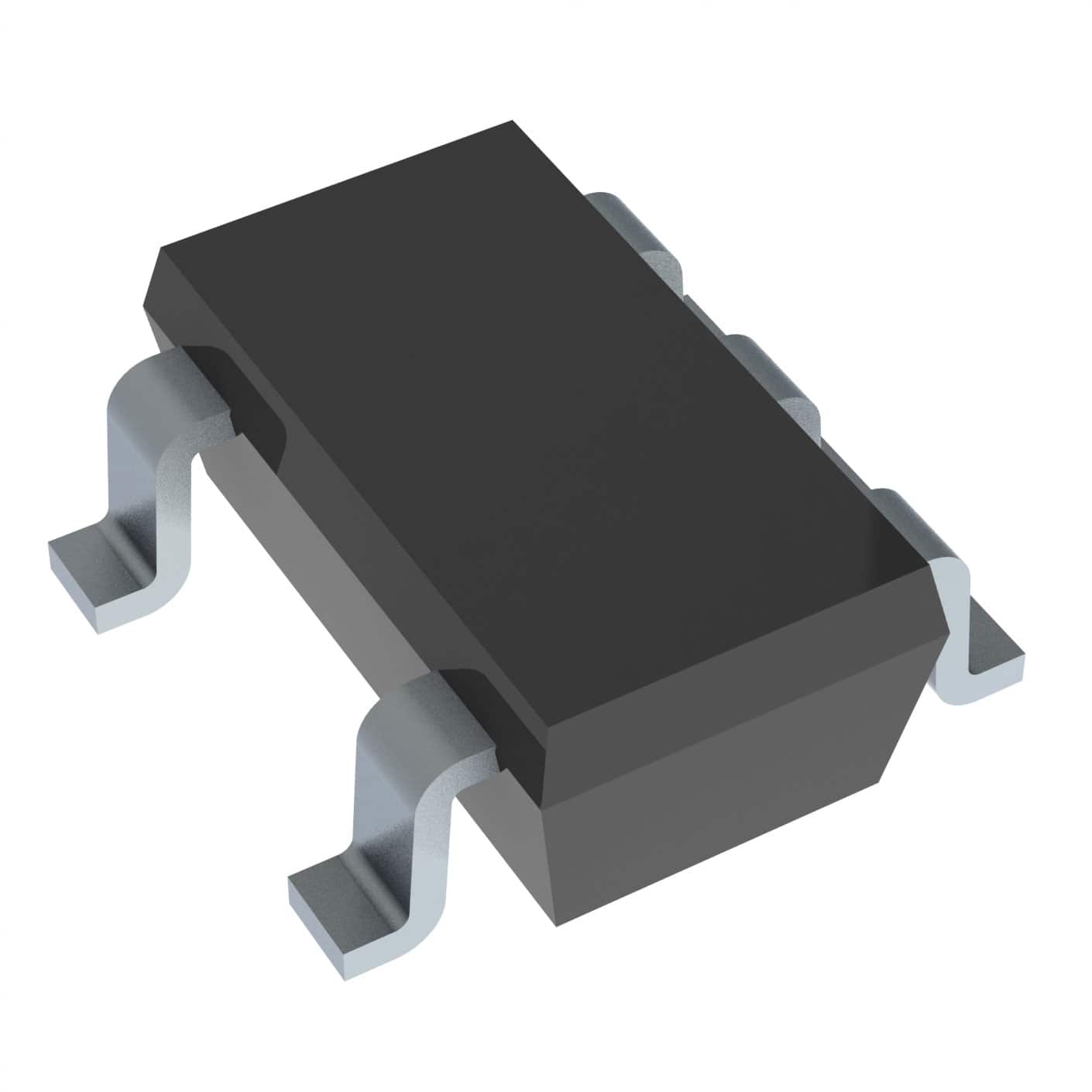
The device is housed in a compact SOT-23-5 surface-mount package, making it suitable for space-constrained applications. It operates within an industrial temperature range of -40°C to 85°C. The SN65LVDT2DBVT meets or exceeds the ANSI TIA/EIA-644 standard, ensuring robust performance in demanding environments.
| Qty | Low | High |
|---|---|---|
| 1+ | $0.94 | $0.94 |
Estimated market price range - modelled values for guidance only, not live distributor offers.
The SN65LVDT2DBVT operates from a 2.4V to 3.6V supply.
The SN65LVDT2DBVT is available in SOT-23-5 and SOIC packages.
The operating temperature range is -40°C to 85°C.
Yes, the SN65LVDT2DBVT is RoHS3 Compliant.
The SN65LVDT2DBVT supports a signaling rate of up to 400Mbps.
The SN65LVDT2DBVT uses the LVDS protocol.