

| Distributor | Stock | Pricing | MOQ | PKG | Lead Time | Date Code | On Order Quantity | On Order Delivery | |
|---|---|---|---|---|---|---|---|---|---|
|
45,200 pcs
|
45200 pcs | On Request | 1 | On Request | On Request | On Request | On Request | On Request |
| Category | |
| Manufacturer Name | |
| AEC Qualified | |
| Automotive Grade | |
| Data Rate | |
| Fault Protection | |
| Industrial Grade | |
| Lead Spacing | |
| Medical Grade | |
| Military Grade | |
| Mounting Type | |
| Number of Drivers | |
| Operating Temperature | |
| Protocol | |
| Receiver Hysteresis | |
| Supplier Device Package | |
| Supply Current | |
| Type | |
| Voltage |
The SN65LBC175DW from Texas Instruments is a monolithic, quadruple differential line receiver with 3-state outputs. It is designed to meet EIA standards RS-422-A, RS-423-A, RS-485, and CCITT Recommendation V.11. This receiver is optimized for balanced multipoint bus transmission at data rates up to 10 million bits per second.
Key electrical characteristics include a common-mode input voltage range of -7 V to 12 V, input sensitivity of ±200 mV, and receiver hysteresis of 40 mV for increased noise immunity. The device operates over a temperature range of -40°C to 85°C and requires a supply voltage between 4.75V and 5.25V. It features an open-circuit fail-safe design, ensuring outputs are high when inputs are open.
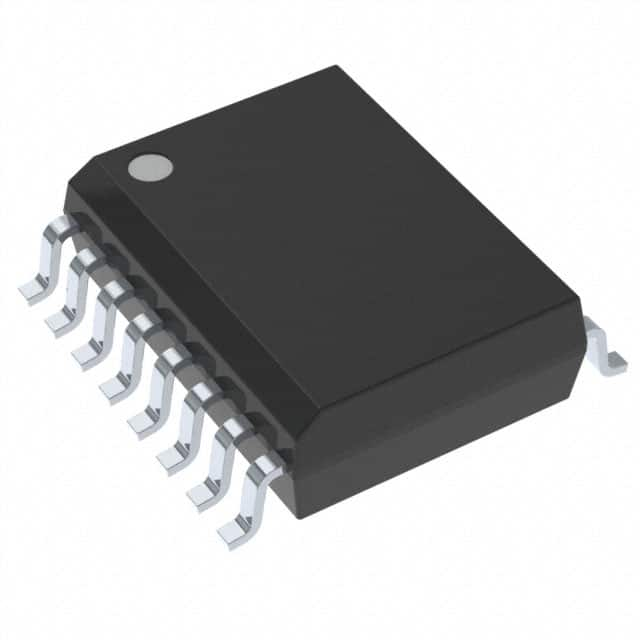
The SN65LBC175DW is available in a 16-SOIC package and is designed for surface mount applications. It supports protocols such as RS422, RS423, and RS485, making it suitable for various industrial and communication systems requiring robust differential signaling.
| Qty | Low | High |
|---|---|---|
| 1+ | $2.22 | $2.22 |
Estimated market price range - modelled values for guidance only, not live distributor offers.
The operating temperature range is -40°C to 85°C.
The SN65LBC175DW is available in a 16-SOIC package.
It supports RS422, RS423, and RS485 protocols.
The maximum signaling rate is 10 Mbps.
The operating voltage range is 4.75V to 5.25V.
Yes, it features 40 mV of receiver hysteresis.