

| Distributor | Stock | Pricing | MOQ | PKG | Lead Time | Date Code | On Order Quantity | On Order Delivery | |
|---|---|---|---|---|---|---|---|---|---|
|
1,600 pcs
|
1600 pcs | On Request | 1 | On Request | On Request | On Request | On Request | On Request |
| Category | |
| Manufacturer Name | |
| AEC Qualified | |
| Access Time | |
| Automotive Grade | |
| Industrial Grade | |
| Medical Grade | |
| Memory Format | |
| Memory Interface | |
| Memory Organization | |
| Memory Size | |
| Memory Type | |
| Military Grade | |
| Mounting Type | |
| Operating Temperature | |
| Storage Temperature | |
| Supplier Device Package | |
| Tape & Reel | |
| Technology |
The Infineon S29GL512T10FHI020 is a high-performance NOR Flash memory integrated circuit with a capacity of 512Mbit. This component is designed for non-volatile data storage and features a parallel memory interface.
Key electrical specifications include an operating voltage range of 2.7V to 3.6V, an access time of 100 ns, and a write cycle time of 60 ns. The memory organization is 64M x 8 bits. The device operates reliably within a temperature range of -40°C to 85°C.
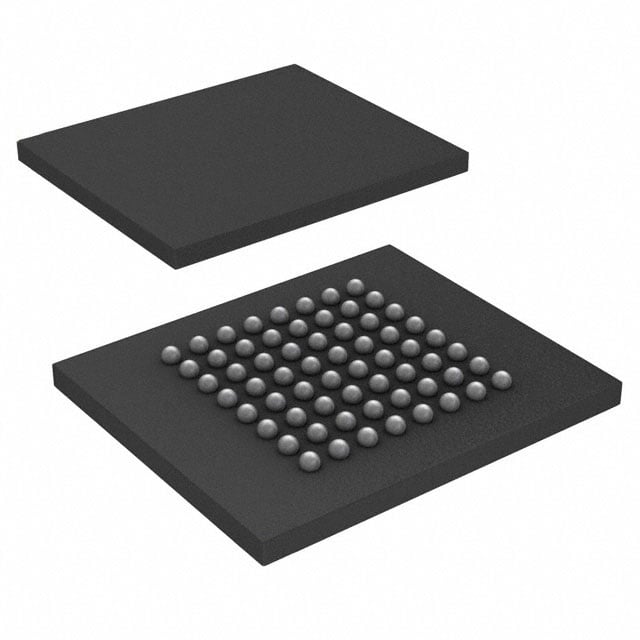
Packaged in a 64-FBGA (13x11) format, the S29GL512T10FHI020 is intended for surface mount applications. Its robust design and specifications make it suitable for various embedded systems requiring reliable non-volatile memory.
This component is part of the GL-T series from Infineon, offering a balance of speed, density, and power efficiency for demanding applications.
| Qty | Low | High |
|---|---|---|
| 1+ | $15.36 | $15.36 |
Estimated market price range - modelled values for guidance only, not live distributor offers.
The S29GL512T10FHI020 has a memory size of 512 Mbit.
The operating voltage supply range for the S29GL512T10FHI020 is 2.7V to 3.6V.
The S29GL512T10FHI020 operates within a temperature range of -40°C to 85°C.
The S29GL512T10FHI020 is available in a 64-FBGA (13x11) package and is a surface mount device.
Common failure modes include data retention issues due to extreme conditions, write/erase cycle failures from exceeding rated cycles, corrupted data from improper programming or power loss, and electrical overstress from excessive voltage.