

| Distributor | Stock | Pricing | MOQ | PKG | Lead Time | Date Code | On Order Quantity | On Order Delivery | |
|---|---|---|---|---|---|---|---|---|---|
|
2,600 pcs
|
2600 pcs | On Request | 1 | On Request | On Request | 16+20+ | On Request | On Request | |
|
3 pcs
|
3 pcs | On Request | 1 | On Request | On Request | On Request | On Request | On Request |
| Category | |
| Manufacturer Name | |
| Clock Frequency | |
| Memory Format | |
| Memory Interface | |
| Memory Organization | |
| Memory Size | |
| Memory Type | |
| Mounting Type | |
| Operating Temperature | |
| Supplier Device Package | |
| Supplier Package | |
| Technology | |
| Voltage | |
| Write Cycle Time |
This Micron Technology N25Q256A11EF840E is a high-performance 256Mbit Serial NOR Flash Memory designed for various embedded applications. It features an SPI-compatible serial bus interface and supports Double Transfer Rate (DTR) mode for increased throughput.
The device operates on a single supply voltage ranging from 1.7V to 2V and can achieve a maximum clock frequency of 108 MHz in Single Transfer Rate (STR) mode, or 54 MHz in DTR mode. The memory offers Execute-in-Place (XIP) mode, allowing direct execution from flash memory after power-on. It supports 3-byte and 4-byte addressability modes and provides flexible erase capabilities, including 4KB subsector erase and 64KB sector erase.
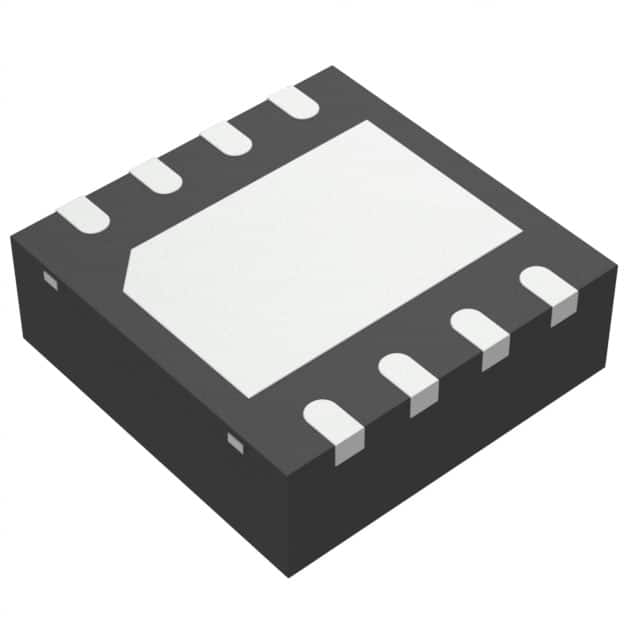
Packaged in an 8-VDFN Exposed Pad (MLP8) measuring 8x6mm, this component is suitable for surface mount applications. It boasts a minimum of 100,000 erase cycles per sector and over 20 years of data retention, ensuring reliability and longevity in demanding environments.
| Qty | Low | High |
|---|---|---|
| 1+ | $1.28 | $1.28 |
Estimated market price range - modelled values for guidance only, not live distributor offers.
The memory size is 256 Mbit (32 MB).
The maximum clock frequency in STR mode is 108 MHz.
The operating temperature range is -40°C to +85°C.
The supply voltage range is 1.7V to 2V.
The package is 8-VDFN Exposed Pad (supplier package 8-VDFPN MLP8 8x6).
The minimum data retention is 20 years.
It supports a minimum of 100,000 erase cycles per sector.