
MCZ33903DS5EK
NXP Semiconductors
The NXP Semiconductors MCZ33903DS5EK is a specialized IC designed for System Basis Chip applications. It features a wide operating voltage range and CAN/LIN interfaces.


| Distributor | Stock | Pricing | MOQ | PKG | Lead Time | Date Code | On Order Quantity | On Order Delivery | |
|---|---|---|---|---|---|---|---|---|---|
|
3,000 pcs
|
3000 pcs | On Request | 1 | On Request | On Request | 21+ | On Request | On Request | |
|
2,500 pcs
|
2500 pcs | On Request | 1 | On Request | On Request | On Request | On Request | On Request |
| Category | |
| Manufacturer Name | |
| Applications | |
| Interface | |
| Mounting Type | |
| Protection Features | |
| Supplier Device Package | |
| Supplier Package | |
| Voltage |
The NXP Semiconductors MCZ33903DS5EKR2 is a System Basis Chip (SBC) Gen2, designed as an advanced power management unit for MCUs with integrated sensors and CAN transceivers. It features a high-speed CAN interface compatible with ISO11898-2 and -5, and may include LIN 2.1 interfaces. The device supports multiple low-power modes with very low current consumption.
Key electrical features include a wide operating voltage range of 5.5V to 28V, multiple undervoltage detections, and integrated voltage regulators for the MCU (5.0 or 3.3V) and the CAN driver (5.0V). It also offers an auxiliary SPI configurable regulator for additional ICs. Protection features include voltage, current, and temperature monitoring.
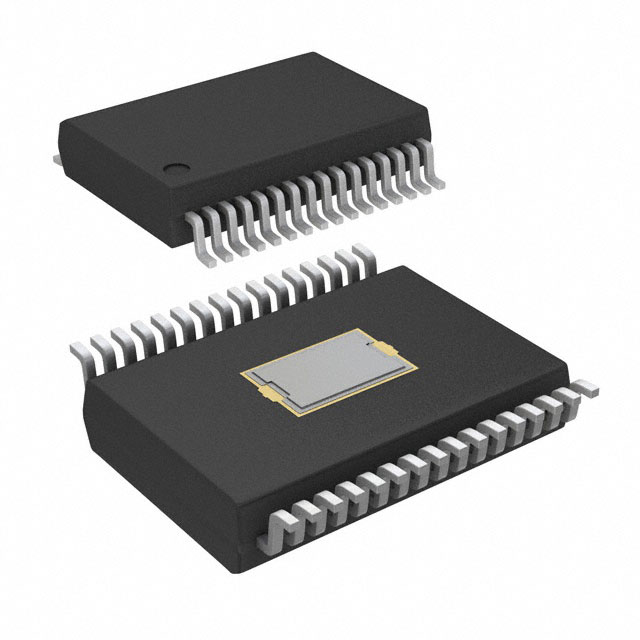
This specialized IC is housed in a 32-SSOP (0.295", 7.50mm Width) Exposed Pad package and is designed for surface mounting. It offers multiple wake-up sources, including CAN or LIN bus, I/O transition, automatic timer, SPI message, and VDD overcurrent detection, enhancing system flexibility and efficiency.
| Qty | Low | High |
|---|---|---|
| 1+ | $6.39 | $6.39 |
Estimated market price range - modelled values for guidance only, not live distributor offers.
The operating voltage range is 5.5 V to 28 V.
It supports CAN and LIN interfaces.
It is designed for surface mount.
The package is a 32-SSOP Exposed Pad.
Yes, it implements multiple low-power modes with very low current consumption.
Wake-up sources include CAN or LIN bus, I/O transition, automatic timer, SPI message, and VDD overcurrent detection.