
MC100EPT22DR2G
On Semiconductor
The ON Semiconductor MC100EPT22DR2G is a dual LVTTL/LVCMOS to differential LVPECL translator. It is designed for applications requiring high speed and low power consumption.


| Distributor | Stock | Pricing | MOQ | PKG | Lead Time | Date Code | On Order Quantity | On Order Delivery | |
|---|---|---|---|---|---|---|---|---|---|
|
800 pcs
|
800 pcs | On Request | 1 | On Request | On Request | 1125+ | On Request | On Request |
| Category | |
| Manufacturer Name | |
| Channel Type | |
| Channels per Circuit | |
| Halogen Free | |
| Input Signal | |
| Mounting Type | |
| Number of Circuits | |
| Operating Temperature | |
| Output Signal | |
| Output Type | |
| Propagation Delay | |
| Supplier Device Package | |
| Translator Type |
The MC100EPT22DR2 from On Semiconductor is a dual translator designed to convert LVTTL/LVCMOS input signals to differential LVPECL output signals. This device is ideal for applications requiring space, performance, and low power consumption, utilizing the mature MOSAIC 5 process for cost-effectiveness and high speed.
Key electrical characteristics include a typical propagation delay of 420 ps and a maximum frequency capability exceeding 1.1 GHz. The operating supply voltage range is from 3.0V to 3.6V with respect to ground. The translator features PNP LVTTL inputs for minimal loading and its Q outputs will default HIGH with inputs open. The 100 Series designation indicates built-in temperature compensation.
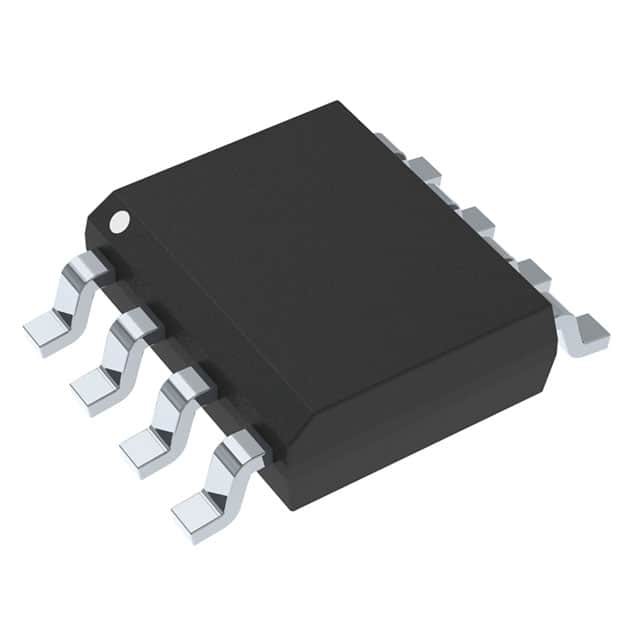
Packaged in an 8-SOIC surface mount package, the MC100EPT22DR2 is suitable for various board designs. It operates within a temperature range of -40°C to 85°C (TA). The device is Pb-Free, Halogen Free, and RoHS Compliant.
| Qty | Low | High |
|---|---|---|
| 1+ | $0.12 | $0.12 |
Estimated market price range - modelled values for guidance only, not live distributor offers.
The typical propagation delay for the MC100EPT22DR2 is 420 ps.
The MC100EPT22DR2 supports a maximum frequency greater than 1.1 GHz.
The nominal operating supply voltage for the MC100EPT22DR2 is 3.3 V.
The MC100EPT22DR2 operates within a temperature range of -40°C to 85°C (TA).
The MC100EPT22DR2 is available in an 8-SOIC (0.154", 3.90mm Width) package.
The MC100EPT22DR2 accepts LVCMOS and LVTTL input signals and provides LVPECL output signals.