

| Distributor | Stock | Pricing | MOQ | PKG | Lead Time | Date Code | On Order Quantity | On Order Delivery | |
|---|---|---|---|---|---|---|---|---|---|
|
1,600 pcs
|
1600 pcs | On Request | 1 | On Request | On Request | On Request | On Request | On Request | |
|
63 pcs
|
63 pcs | On Request | 1 | On Request | On Request | On Request | On Request | On Request |
| Category | |
| Manufacturer Name | |
| Industrial Grade | |
| Input Voltage | |
| Lead Spacing | |
| Lead Style | |
| Mounting Type | |
| Operating Temperature | |
| Output Current | |
| Output Voltage | |
| Package / Case | |
| Reference Type | |
| SVHC Present | |
| Storage Temperature | |
| Temperature Coefficient | |
| Tolerance |
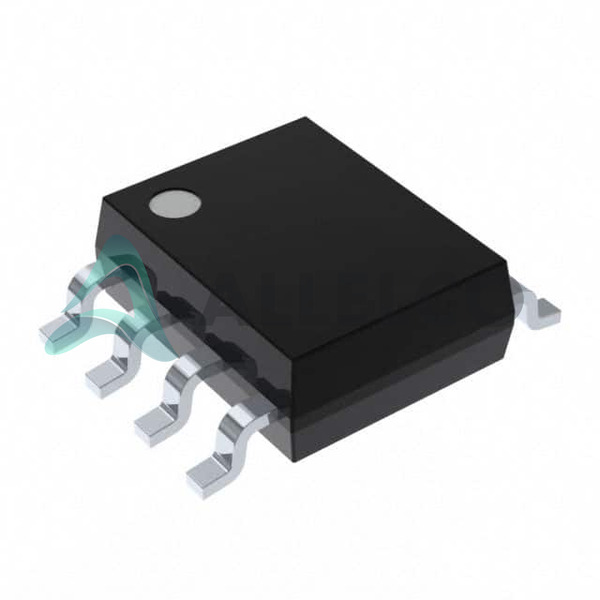
The MAX6250AESA is a high-precision voltage reference IC manufactured by Analog Devices / Maxim Integrated. This device provides a stable 5V output with an excellent tolerance of ±0.02% and a low temperature coefficient of 3ppm/°C, ensuring accuracy across varying conditions.
Designed for surface mounting, the MAX6250AESA comes in an 8-SOIC package. It operates within an input voltage range of 8V to 36V and consumes a low supply current of 3.3mA. The device offers a low noise performance with 3µVp-p from 0.1Hz to 10Hz and 2.5µVrms from 10Hz to 10kHz, making it suitable for sensitive applications.
Key electrical characteristics include a 15mA output current capability and a buried Zener reference type. The operating temperature range is -40°C to 85°C (TA). This component is ideal for applications requiring a stable and accurate voltage reference.
The MAX6250AESA has a fixed output voltage of 5V.
The tolerance of the MAX6250AESA is ±0.02%.
The temperature coefficient for the MAX6250AESA is 3ppm/°C.
The operating temperature range for the MAX6250AESA is -40°C to 85°C (TA).
The MAX6250AESA is available in an 8-SOIC package designed for surface mounting.
Common causes of failure include overvoltage or reverse voltage, excessive heat beyond specified limits, improper PCB layout leading to noise interference or inadequate decoupling, and insufficient power supply decoupling.