

| Distributor | Stock | Pricing | MOQ | PKG | Lead Time | Date Code | On Order Quantity | On Order Delivery | |
|---|---|---|---|---|---|---|---|---|---|
|
8,645 pcs
|
8645 pcs | On Request | 1 | On Request | On Request | 22+ | On Request | On Request |
| Category | |
| Manufacturer Name | |
| Data Rate | |
| Duplex | |
| Lead Spacing | |
| Mounting Type | |
| Number of Drivers | |
| Operating Temperature | |
| Protocol | |
| Receiver Hysteresis | |
| Supplier Device Package | |
| Type | |
| Voltage |
The Analog Devices LTC2852HMS#PBF is a low power, 20Mbps RS485/RS422 transceiver designed for 3.3V operation. This full-duplex device features a high input impedance, supporting up to 256 nodes per bus. It offers guaranteed failsafe receiver operation and enhanced ESD protection, withstanding up to ±15kV HBM on transceiver interface pins without latchup.
Key electrical specifications include a supply voltage range of 3V to 3.6V and a maximum data rate of 20Mbps. The transceiver protocol supports both RS422 and RS485 standards. It operates within a temperature range of -40°C to 125°C.
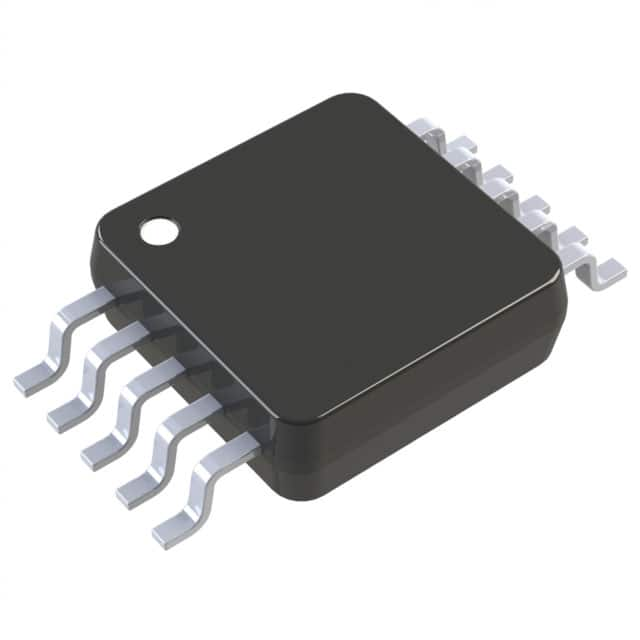
This transceiver is available in a 10-MSOP package and is designed for surface mount applications. Its features include current-limited drivers and thermal shutdown to prevent excessive power dissipation. The receiver hysteresis is 25mV.
Applications for the LTC2852HMS#PBF include level translation and backplane transceivers, making it suitable for various industrial and communication systems requiring robust serial data transmission.
| Qty | Low | High |
|---|---|---|
| 1+ | $0.99 | $0.99 |
Estimated market price range - modelled values for guidance only, not live distributor offers.
The LTC2852HMS#PBF operates on a supply voltage range of 3V to 3.6V.
The maximum data rate supported by the LTC2852HMS#PBF is 20Mbps.
The LTC2852HMS#PBF supports full-duplex communication.
The operating temperature range for the LTC2852HMS#PBF is -40°C to 125°C.
The LTC2852HMS#PBF is supplied in a 10-MSOP package.
The LTC2852HMS#PBF supports RS422 and RS485 protocols.