

| Distributor | Stock | Pricing | MOQ | PKG | Lead Time | Date Code | On Order Quantity | On Order Delivery | |
|---|---|---|---|---|---|---|---|---|---|
|
20,498 pcs
|
20498 pcs | On Request | 1 | On Request | On Request | 2020+ | On Request | On Request |
| Category | |
| Manufacturer Name | |
| Applications | |
| Clock Frequency | |
| ESD Protection | |
| Interface | |
| Memory Size | |
| Mounting Type | |
| Operating Voltage | |
| SVHC Present | |
| Supplier Device Package | |
| Supplier Package | |
| Type |
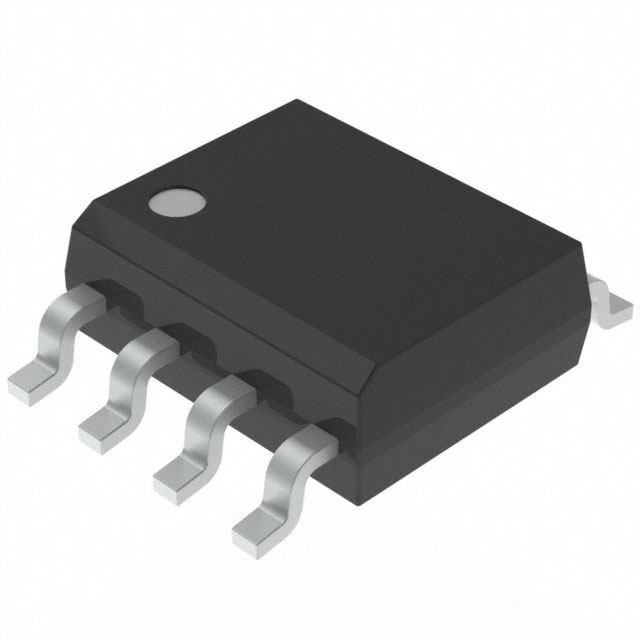
The AT88SC12816C-SU from Microchip Technology is a high-performance secure memory IC offering 128 Kbits of user EEPROM memory. This device is part of the CryptoMemory family and incorporates advanced security and cryptographic features.
The memory is organized into sixteen 1-Kbyte zones, each with programmable access rights, and includes a 2-Kbit configuration zone. Security features include a 64-bit mutual authentication protocol, stream encryption, four key sets, and eight sets of 24-bit passwords. It supports ISO 7816 Class A (5V) or Class B (3V) operation and the ISO 7816-3 Asynchronous T=0 protocol.
Designed for embedded applications and smart cards, the AT88SC12816C-SU operates from a low voltage of 2.7V to 5.5V and supports a 1.0 MHz clock frequency via a 2-wire serial interface. The device offers high reliability with an endurance of 100,000 cycles and data retention of 10 years. It is provided in a standard 8-lead SOIC package suitable for surface mounting.
This secure memory IC is ideal for applications requiring secure storage of sensitive system or user information, multi-application use with distinct key sets and passwords, and robust data protection.
| Qty | Low | High |
|---|---|---|
| 1+ | $0.75 | $0.75 |
Estimated market price range - modelled values for guidance only, not live distributor offers.
128 Kbit.
2.7V to 5.5V.
8-SOIC (0.154", 3.90mm Width) surface mount.
64-bit mutual authentication protocol.
100,000 write/erase cycles.
10 years.
Yes, ISO 7816 Class A (5V) or Class B (3V) with T=0 protocol.