

| Distributor | Stock | Pricing | MOQ | PKG | Lead Time | Date Code | On Order Quantity | On Order Delivery | |
|---|---|---|---|---|---|---|---|---|---|
|
800 pcs
|
800 pcs | On Request | 1 | On Request | On Request | 1540/ | On Request | On Request |
| Category | |
| Manufacturer Name | |
| Frequency | |
| Input Type | |
| Input Voltage | |
| Lead Style | |
| Mounting Type | |
| Number of Circuits | |
| Output Type | |
| SVHC Present | |
| Type |
The 8305AGLF from Renesas Electronics America Inc is an integrated circuit designed for clock signal fanout and distribution. This device functions as a fanout buffer and multiplexer, offering 2 inputs and 4 outputs.
Key electrical specifications include a maximum operating frequency of 350MHz and an input voltage range of 3.135V to 3.465V. The operating temperature range for this component is 0°C to 70°C. It supports multiple input logic standards such as HCSL, LVCMOS, LVDS, LVHSTL, LVPECL, LVTTL, and SSTL, with LVCMOS and LVTTL output standards.
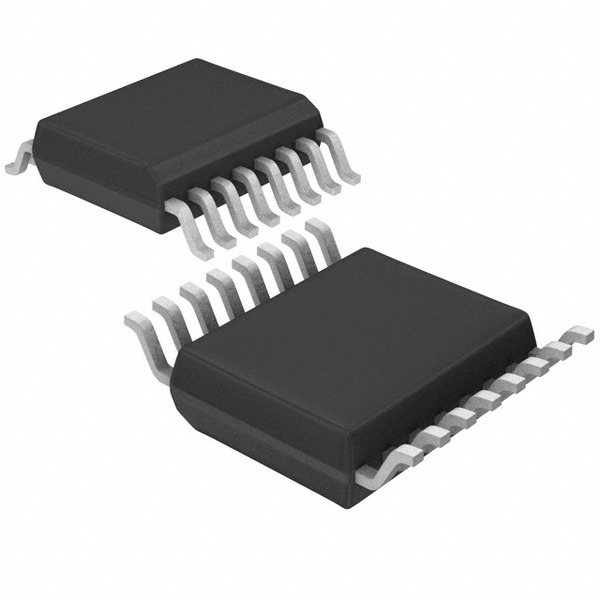
Packaged in a compact 16-TSSOP (0.173", 4.40mm Width) surface mount configuration, the 8305AGLF is suitable for applications requiring efficient clock distribution and signal multiplexing. Its design facilitates low-profile mounting on PCBs, making it ideal for space-constrained electronic designs.
This clock buffer is well-suited for use in networking equipment, telecom infrastructure, communication servers, computing platforms, and embedded devices. It is also applicable in general-purpose and industrial electronics where high-frequency clocking and wide logic interface support are necessary.
| Qty | Low | High |
|---|---|---|
| 1+ | $3.00 | $3.00 |
Estimated market price range - modelled values for guidance only, not live distributor offers.
The 8305AGLF operates from 3.135V to 3.465V.
The 8305AGLF is available in a 16-TSSOP package (0.173", 4.40mm Width).
The 8305AGLF operates from 0°C to 70°C.
The 8305AGLF can handle frequencies up to 350 MHz.
The 8305AGLF provides LVCMOS and LVTTL outputs.
The 8305AGLF has a 2:4 input-to-output ratio.