

Top Manufacturers
VIEW ALL MANUFACTURERSList Your Parts
Manufacturers can list their parts and manage franchised distributors on DistyParts directly
Free Statistical Data
Get insights on your parts' popularity, search trends, and market demand
Ready to onboard?
Are you ready to join DistyParts and
grow your business?
Top Distributors
BECOME A
DISTRIBUTOR
TODAY!
SIGNUP TO DISTYPARTS
Join our network of trusted distributors
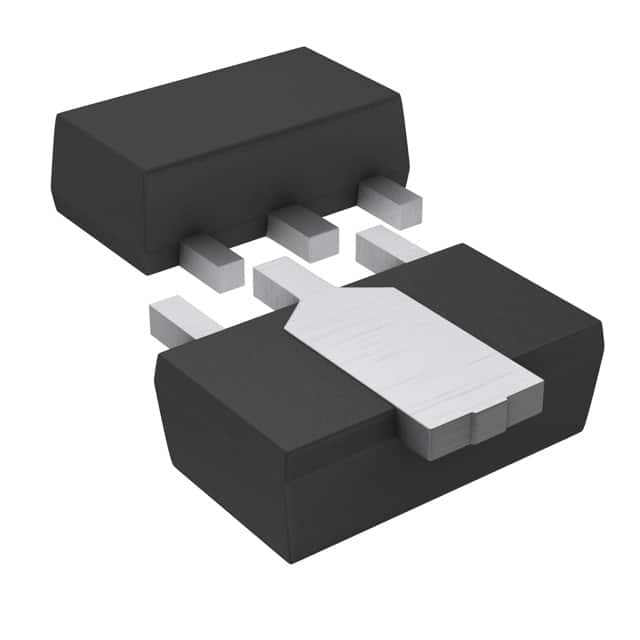
| Distributor | Stock | Pricing | MOQ | PKG | Lead Time | Date Code | On Order Quantity | On Order Delivery | |
|---|---|---|---|---|---|---|---|---|---|
|
Non-Authorised
Inventory information
|
5,481 pcs
|
5481 pcs | On Request | 1 | On Request | On Request | 19+ | On Request | On Request |
| Category | |
| Manufacturer Name | |
| Current | |
| DC Current Gain (hFE) (Min) @ Ic, Vce | |
| Frequency | |
| Mounting Type | |
| Operating Temperature | |
| Power | |
| Supplier Device Package | |
| Transistor Type | |
| Vce Saturation (Max) @ Ib, Ic | |
| Voltage |
DistyParts is a Marketplace for Distributors of electronic / electrical / electromechanical components and does not sell, stock or support buyers directly. All transactions through our site are managed directly by participating distributors.
ⓒ Copyright 2026. All Right Reserved | Powered by - Distyman