

| Distributor | Stock | Pricing | MOQ | PKG | Lead Time | Date Code | On Order Quantity | On Order Delivery | |
|---|---|---|---|---|---|---|---|---|---|
|
3,300 pcs
|
3300 pcs | On Request | 1 | On Request | On Request | 938 | On Request | On Request |
| Category | |
| Manufacturer Name | |
| Clock Frequency | |
| ESD Protection | |
| Memory Format | |
| Memory Interface | |
| Memory Organization | |
| Memory Size | |
| Memory Type | |
| Mounting Type | |
| Operating Temperature | |
| Supplier Device Package | |
| Tape & Reel | |
| Technology | |
| Voltage | |
| Voltage Supply | |
| Write Cycle Time |
The Microchip Technology 11LC040T-I/MNY is a 4Kbit Serial EEPROM that utilizes the patented UNI/O® single I/O serial bus. This device operates with low-power CMOS technology, drawing only 1 mA active current and 1 µA standby current.
Key electrical specifications include a memory organization of 512 x 8 bits, a clock frequency of up to 100 kHz, and a supply voltage range of 2.5V to 5.5V. The write cycle time is 5ms, and it features a page-write buffer for up to 16 bytes. The operating temperature range is -40°C to 85°C.
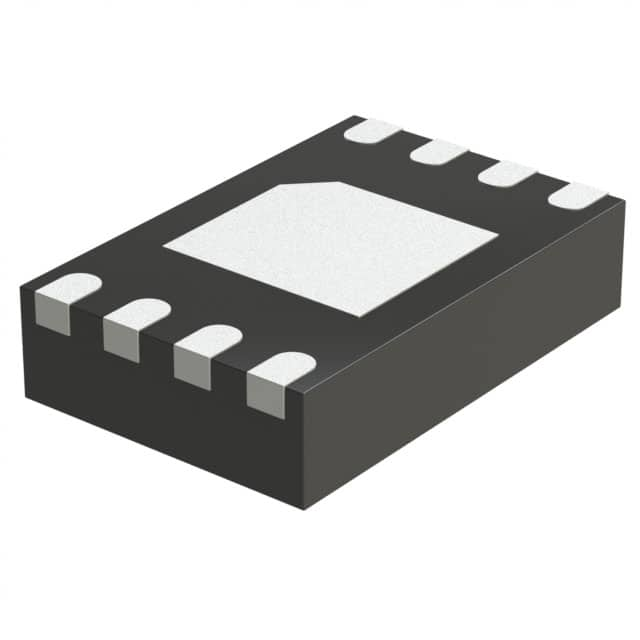
Designed for reliability, the 11LC040T-I/MNY offers 1,000,000 erase/write cycles and data retention exceeding 200 years. It also provides ESD protection of over 4,000V. The device is available in an 8-TDFN (2x3) package, suitable for surface mounting.
This EEPROM is ideal for applications requiring non-volatile data storage with a simple serial interface. Its low power consumption and high reliability make it suitable for various embedded systems.
| Qty | Low | High |
|---|---|---|
| 1+ | $1.24 | $1.24 |
Estimated market price range - modelled values for guidance only, not live distributor offers.
The 11LC040T-I/MNY has a memory size of 4 Kbit.
The operating voltage range for the 11LC040T-I/MNY is 2.5 V to 5.5 V.
The clock frequency for this device is 100 kHz.
The operating temperature range is -40°C to 85°C.
This EEPROM is supplied in an 8-TDFN (2x3) package.
The endurance is 1,000,000 erase/write cycles.
The data retention period is greater than 200 years.